
Step Three: Enlist the Assistance of the Pre-Existing Power Structure

Leverage Community Support

Understanding that you are likely to encounter resistance from some parents, in addition to potential school resistance, be prepared with support to counter that resistance.

Reach out to the sources of support listed here, to ask them to advocate on behalf of GSA creation, pro-LGBTQ+ staff-wide training, and an enumerated anti-bullying policy. Ask them to write letters of support addressed to school administration and the school board.

If possible, arrange panel discussions in which pediatricians, mental health experts, and LGBTQ+ community advocates discuss the importance of GSAs to the entire school climate.

Additionally, your school (or district) psychologists, social workers, and counselors can speak to the support their professional organizations have for GSAs and the other listed safe-school measures.

More voices = More power

Sources of Community Support

Local LGBTQ+ parent organizations (Mayberry, 2012)

Allies in the school district

School board members

Local pediatricians

Local mental health providers

Local NASW chapter President

State-wide NASW President

Local university Education Department professors/chair

LGBTQ+ graduates of the school

Administration from schools with a GSA


Create an Advisory Board


Especially if one is working to form a GSA in a school or community with an anti-LGBTQ climate, enlisting the support of the pre-existing power structure can go a long way toward ensuring success (Underhill, 2017).

While the law will likely be on the side of GSA formation, having an administration and staff which is vocally supportive can facilitate the process of creating and running the GSA (Underhill, 2017). Additionally, supportive administration can prove very beneficial in advocating for your GSA to parents, the school board, and the community (Start a GSA: 10 Steps, n.d.).

Additionally, reach out to your School Board members and district employees. Having one or more allies on the School Board or the district offices will help facilitate the process.

One teacher found, in forming a GSA at her school, that creating an advisory board for the club’s formation helped smooth a lot of the initial processes, and helped the club garner support within the school community (Underhill, 2017). Her club’s advisory board consisted of the principal, the dean, guidance counselors, and multiple members of the faculty and staff (Underhill, 2017).

Consider as well having several of the more outspoken LGBTQ+ students and several vocal student allies join the advisory board. Creating an environment conducive to dialogue and communication will help the school move toward greater appreciation of individuality and diversity (Underhill, 2017).

Find Allies Throughout the School


Boundary spanning – is a process of creating bonds among multiple groups with different inherent characteristics and identities. Boundary spanning can help a movement gain traction and support (Sutherland, 2019).

Often there are allies to a group or movement who don’t make themselves known, either because they do not see the need, or because they do not understand the value of their voice.

The majority of people in the United States support LGBTQ+ rights (McCarthy, 2021). While many people are not outspoken about their beliefs, they will come forward if they know they can make a difference.

Speak with the student body, the faculty, adminstration, and staff, to identify allies who can support the creation and growth of the GSA. Help them to recognize and understand the ways that the GSA will benefit LGBTQ+ student and the school as a whole, and enlist their aid as vocal supporters. Ask them all to attend at least some GSA meetings, to show the students who attend that there is support throughout the school.

Additionally, counselors might know students who would be interested in joining your GSA (Start a GSA: 10 Steps, n.d.).

Teamwork with allies improves the inclusiveness of a school (Underhill, 2017). Allies are a valuable resource that should not be overlooked in the fight for recognition, respect, and equality.

Diversity Representation

When school power structures work to incorporate different voices and identities, as by giving voice and representation to LGBTQ+ students and staff, the climate of the school can fundamentally change. In such cases, LGBTQ+ life experiences integrate with school culture and policy. This helps to overcome both unintentional and overtly hostile discriminatory and negating practices. Additionally, it transitions the role of members of the LGBTQ+ community from one of needing protection to being active participants in change (Cerezo & Bergfeld, 2013).


References

Cerezo, A., & Bergfeld, J. (2013). Meaningful LGBTQ inclusion in schools: The importance of diversity representation and counterspaces. Journal of LGBT Issues in Counseling, 7(4):355-371. doi:10.1080/15538605.2013.839341

Mayberry, M. (2012). Gay-straight alliances: Youth empowerment and working toward reducing stigma of LGBT youth. Humanity & Society, 37(1):35-54. doi:10.1177/0160597612454358

McCarthy, J. (2021, June 8). Record-high 70% in U.S. support same-sex marriage. Gallup. https://news.gallup.com/poll/350486/record-high-support-same-sex-marriage.aspx

Start a GSA: 10 steps. (n.d.). GSA Network. https://gsanetwork.org/wp-content/uploads/2018/08/10StepsGSA.pdf

Sutherland, D. K. (2019). The push for transgender inclusion: Exploring boundary spanning in the gay-straight alliance. Sociology Compass, 13:e12739. doi:10.1111/soc4.12739

Underhill, C. (2017). Navigating spaces: Moving along the (dis)enfranchisement spectrum through a high school GSA. Theory in Action, 10(4):89-99. doi:10.3798/tia.1937-0237.1728

Step Two: Show the Proven Benefits of GSAs to Students and the School

Proven Benefits of GSAs to Individual Students

LGBTQ students involved in GSAs reported that the GSA helped them with 3 types of empowerment. The first is empowerment through knowledge – they knew their rights, and how to advocate for them. The second is personal empowerment – GSAs help students improve their self esteem and develop a sense of agency, which is the realization that you have the power to act to change situations. The third is relational empowerment; they had a sense of belonging to a community and of improving the school for future students (Calzo et al., 2018).

Click here to download this information as a pdf.

Empowerment Through Knowledge


Students in a school with a GSA are more able to find and identify adult allies in the school and the community (Sinclair & Reece, 2016).

GSAs help adolescents develop the knowledge and agency to counter the heteronormative culture (Sutherland, 2019).

GSAs are gateways to accessing community resources, including organizations outside of school and supportive adults (Porta et al., 2017).

A study of LGBTQ college students found that a campus group for sexual minorities was the single largest protective factor in the students’ lives. It had the greatest predictive effect on sexual minority identity development, reduced concerns about acceptance, positive identity affirmation, and reduced internalized homonegativity (Brandon-Friedman & Kim, 2016)

School-based LGBTQ+ support organizations can help students develop self reflection, bravery, leadership, agency, and civic engagement (Porta et al., 2017; Calzo et al., 2018)

Personal Empowerment


Students in schools with GSAs indicate the presence of a safer school climate and more supportive teachers/staff. They earn better grades, are less isolated, are less likely to skip school due to fear, feel a greater sense of well-being, and have higher self-esteem (Swanson & Gettinger, 2016; Hannah, 2017; Porta et al., 2017; Calzo et al., 2018).

GSA membership promotes self-confidence (Sutherland, 2019).

LGBTQ+ youth in schools with a GSA experience fewer mental health and substance abuse issues and take part in fewer risky behaviors. They are less likely to smoke, drink alcoholic beverages, experience suicidal thoughts or actions, engage in casual sex, and suffer from depression (Poteat et al., 2016; Sinclair & Reece, 2016; Porta et al., 2017).

Students in a GSA had lower likelihood of risky sexual behavior (Poteat et al., 2016).

LGBTQ+ youth in a school with a GSA are more likely to attend college (Porta et al., 2017; Calzo et al., 2018).

Relational Empowerment


GSAs represent safety, and the more years a GSA is present in a school, the more the perception of safety among the student body increases (Ioverno et al., 2016).

LGBTQ+ youth in schools with a GSA experience less bullying and harassment (Swanson & Gettinger, 2016; Porta et al., 2017).

Members of a GSA report feeling unified, perceiving the GSA to be a place of community and connection (Porta et al., 2017; Sutherland, 2019).

LGBTQ+ students in a school with a GSA feel more connected to the school overall, with a greater sense of belonging and engagement (Swanson & Gettinger, 2016; Hannah, 2017).

LGBTQ+ youth attending schools with a GSA perceive their schools to be safer and more supportive than LGBTQ+ youth attending schools without a GSA. They are also more likely to report that their school is safe, tolerant, and respectful (Swanson & Gettinger, 2016).


GSAs serve a valuable role just by existing.

The presence of a GSA on a school campus shows LGBTQ+ students, even those who never join, that they are not alone in the school. It challenges “assumptions of heterosexuality” and other hetero-normative and cis-normative elements of the institution (Cerezo & Bergfeld, 2013, p. 361).


Proven Benefits of GSAs to the School as a Whole

More Inclusive School Environment


Student bodies in schools with GSAs show a greater tolerance of all differences (racial, religious, etc). GSAs help create a more inclusive school environment for the entire school (Mayo, 2013; Ioverno et al., 2016).

GSAs offer students a safe environment to voice their concerns. This allows students to connect with, and gain support from, teachers and administrators (Sutherland, 2019).

GSAs, as part of their advocacy focus, help to educate students, teachers, and staff on LGBTQ-related issues. This education builds support and helps create allies (Sutherland, 2019).

Less Bullying Overall


Students who attend a school with a GSA are more likely to consider anti-LGBTQ harassment and bullying as unacceptable (Murphy, 2012)

The presence of a GSA in a school lowers the number of homophobic bullying instances regardless of GSA membership (Ioverno et al., 2016).

In fact, having a GSA in a school lowers all forms of school bullying (Ioverno et al., 2016).

GSAs help students learn to feel empowered in the face of injustice (Sinclair & Reece, 2016).

Students whose high school had a GSA were significantly more likely to be supportive of the LGBTQ community when they were in college (Sinclair & Reece, 2016).

Better Outcomes for Many Students


The entire school benefits when LGBTQ students are present, doing well academically, and suffering less depression and other mental health benefits, as schools environments reflect the overall well-being of all students.

Schools with GSAs are safer for the entire student body, not just LGBTQ+ students (Sutherland, 2019).

GSAs serve as a springboard for student civic engagement (Sutherland, 2019).

A supportive LGBTQ environment in a schools leads to improved educational outcomes for the student body as a whole (Porta et al., 2017).


References

Brandon-Friedman, R. A., & Kim, H. (2016). Using social support levels to predict sexual identity development among college students who identify as a sexual minority. Journal of Gay & Lesbian Social Services, 28(4):292-316. doi:10.1080/10538720.2016.1221784

Calzo, J. P., Yoshikawa, H., Poteat, V. P., Russell, S. T., & Bogart, L. M. (2018). Person-environment fit and positive youth development in the context of high school gay-straight alliance. Journal of Research on Adolescence, 30(S1):158-176. doi:10.1111/jora.12456

Cerezo, A., & Bergfeld, J. (2013). Meaningful LGBTQ inclusion in schools: The importance of diversity representation and counterspaces. Journal of LGBT Issues in Counseling, 7(4):355-371. doi:10.1080/15538605.2013.839341

Hannah, J. L. (2017). One student at a time: A reflection of support for a first-year GSA club and its impact on perceived acceptance for LGBTQ students. The Clearing House, 90(3):98-102. doi:10.1080/00098655.2017.1301154

Ioverno, S., Baiocco, R., Belser, A. B., Grossman, A. H., & Russell, S. T. (2016). The protective role of gay-straight alliances for lesbian, gay, bisexual, and questioning students: A prospective analysis. Psychology of Sexual Orientation and Gender Diversity, 3(4):397-406. doi:10.1037/sgd0000193

Mayo, J. B. (2013). Critical pedagogy enacted in the gay-straight alliance: New possibilities for a third space in teacher development. Educational Researcher, 42(5):266-275. https://www.jstor.org/stable/23462392

Murphy, H. E. (2012). Improving the lives of students, gay and straight alike: Gay-straight alliances and the role of school psychologists. Psychology in the Schools, 49(9):883-891. doi:10.1002/pits.21643

Porta, C. M., Singer, E., Mehus, C. J., Gower, A. L., Saewyc, E., Fredkove, W., & Eisenberg, M. E. (2017). LGBTQ youth’s views on gay-straight alliances: Building community, providing gateways, and representing safety and support. Journal of School Health, 87(7):489-497. doi:10.1111/josh.12517

Poteat, V. P., Calzo, J. P., & Yoshikawa, H. (2016, January 18). Promoting youth agency through dimensions of gay-straight alliance involvement and conditions that maximize associations. Journal of Youth and Adolescence, 45:1438-1451. doi:10.1007/s10964-016-0421-6

Sinclair J., & Reece, B. J. (2016). Gay-straight alliances in the battle for rights: A tipping point for progress over prohibition. Interchange, 47:109-120. doi:10.1007/s10780-015-9257-3

Sutherland, D. K. (2019). The push for transgender inclusion: Exploring boundary spanning in the gay-straight alliance. Sociology Compass, 13:e12739. doi:10.1111/soc4.12739

Swanson, K., & Gettinger, M. (2016). Teachers’ knowledge, attitudes, and supportive behaviors toward LGBT students: Relationship to gay-straight alliances, antibullying policy, and teacher training. Journal of LGBT Youth, 13(4):326-351. doi:10.1080/19361653.2016.1185765

Step One: Demonstrate the Need for a GSA

With Statistics


The first step to demonstrating need is presenting statistics showing just how dire the situation is for many LGBTQ+ youth in our society today. You will find a list of statistics that you can cite to your school administration and school board, and the sources of the statistics, below.

Click here for a printable version with references

Click here for a printable infographic

Many people who identify as allies do not understand the degree of bullying and isolation that LGBTQ+ students often experience in the school environment. Seeing the statistics – for example, the rate of mental health issues, substance abuse, homelessness, and suicide among LGBTQ+ adolescents – can prove to be eye-opening to many allies.

With Student Interest


Another way to demonstrate need is to show student interest in a GSA club (Underhill, 2017). Talk to students – both LGBTQ+ and straight, cis-gender allies – and create a list of students who believe that a GSA would benefit the school community as a whole.

Even though the majority of LGBTQ+ adolescents are bullied and/or physically assaulted because of the sexual and gender identity over any given school year, most non-LGBTQ+ students identify as allies (Sinclair & Reece, 2016). When allies make their voices heard, the entire school environment becomes safer.

A GSA is an alliance between LGBTQ+ and non-LGBTQ+ students, faculty, and staff, and the more voices there are in that alliance, the louder they become.

With Education


A third way to demonstrate need for a GSA in your school is to invite local LGBTQ+ community members to speak to the adminstration, faculty, and staff about some of the difficulties LGBTQ+ people face, in school and in the community (Underhill, 2017).

LGBTQ+ speakers can share their stories and help school personnel fully understand how much a GSA can make a difference in the life of an LGBTQ+ student.

One teacher, working to show the need for a GSA at her school, asked a group of transgender and non-binary students from local colleges educate the faculty and staff on the unique needs of LGBTQ+ students. These speakers were able to demonstrate that LGBTQ+ students are often underserved by the school, even by well-meaning allies (Underhill, 2017).


The following organizations endorse supporting LGBTQ+ youth / the presence of a GSA (Murphy, 2012)

American Academy of Peditrics
American Association of School Administrators
American Counseling Association
American Federation of Teachers
American School Counselor Association
American School Health Association
Interfaith Alliance Foundation
National Association of Secondary School Principals
National Association of School Nurses
National Association of Social Workers
National Education Association
National School Boards Association
School Social Work Association of America

Statistics

LGBTQ+ youth report overwhelming “rejection and harassment” from “families, schools, religious institutions” and members of their communities or neighborhoods (Higa et al., 2014, para. 33).

LGBTQ+ youth are 2-7 TIMES more likely to attempt suicide than students who identify as heterosexual (Youth.gov, n.d.).

The mental health risks faced by LGBTQ+ youth are most associated with experiencing “discrimination, negative interactions, harassment, and bullying” – especially from peers and adults at school (Swanson & Gettinger, 2016).

Even though 85% majority of LGBTQ+ youth experience harassment and bullying at school each year, according to one study 57% opted not to report the incident to a teacher or administration, and, of those who did report the indidents, 62% stated that nothing was done (Sinclair & Reece, 2016; Swanson & Gettinger, 2016).

Transgender youth are at a significantly greater risk of some types of harassment or maltreatment than their gay peers. These include being scorned, physically attacked, and being kicked out of their homes (Sutherland, 2019).

One study found that 25% of transgender youth had attempted suicide in the past year (Swanson & Gettinger, 2016).

42 percent of LGBTQ youth seriously considered attempting suicide in the past year, including more than half of transgender and nonbinary youth (Youth.gov, n.d.).

LGBTQ students were more than 2x as likely to have been physically assaulted at school than their non-LGBTQ peers (Underhill, 2017).

57.6% of LGBTQ students stated that they feel unsafe because of their sexual orientation. 43.3% said they feel unsafe due to their gender expression (Hannah, 2017).

LGBTQ+ students who experienced school-based harassment and victimization had “lower grade point averages, missed more school, and were more likely not to pursue higher education” than their non-LGBTQ+ peers (Sinclair & Reece, 2016, p. 110). In fact, LGBTQ students who have suffered bullying and harassment are 3x more likely than their non-LGBTQ peers to miss school, 4x more likely to drop out of school, and 2x more likely to reject the concept of attending college (Murphy, 2012; Hannah, 2017).

75% of non-LGBTQ+ youth identify as supportive of LGBTQ+ youth, yet 92% of LGBTQ+ youth report receiving negative messaging about their sexual and/or gender identities at school. When the majority of non-LGBTQ+ youth are vocal supporters, school-wide LGBTQ+ negativity decreases (Underhill, 2017).

95% of LGBTQ youth report hearing negative remarks about their sexual orientation and gender expression (Hannah, 2017).

Some LGBTQ students have reported hearing statements hostile to the LGBTQ+ community from school staff, faculty, and administration (Stonefish & Lafreniere, 2015). More than half say there is a nonsupportive faculty or staff member in their school, and 41% reported teachers telling anti-LGBTQ jokes (Murphy, 2012).

MIddle school LGBTQ+ students are more likely to miss classes or skip school due to feeling unsafe than high school LGBTQ+ students (Murphy, 2012).

All students in schools with Gay Straight Alliances are more accepting and inclusive of all forms of diversity – not only in terms of gender and sexuality, but diversity of religious beliefs, race, and ethnicity (Mayo, 2013).

The American Academy of Pediatrics states that by 4 years old, most children have a sense of their gender identity (Lititz Chooses Love, 2022).

Having just one supportive adult in their lives can reduce the chance of an LGBTQ+ adolescent committing suicide by 40% (Lititz Chooses Love, 2022).

Download a pdf version of these statistics

Download a printable infographic


References

Hannah, J. L. (2017). One student at a time: A reflection of support for a first-year GSA club and its impact on perceived acceptance for LGBTQ students. The Clearing House, 90(3):98-102. doi:10.1080/00098655.2017.1301154

Higa, D., Hoppe, M. J., Lindhorst, T., Mincer, S., Beadnell, B., Morrison, D. M., Wells, E. A., Todd, A., & Mountz, S. (2014). Negative and positive factors associated with the well-being of lesbian, gay, bisexual, transgender, queer, and questioning (LGBTQ) youth. Youth & Society, 46(5), 663–687. https://doi.org/10.1177/0044118X12449630

Lititz Chooses Love. (2022, January 24). A space to be yourself! Supporting LGBTQ+ youth : A Lititz Chooses Love presentation with Kate and MK [Video]. Youtube.com. https://youtu.be/21qjsW1bum8

Mayo, J. B. (2013). Critical pedagogy enacted in the gay-straight alliance: New possibilities for a third space in teacher development. Educational Researcher, 42(5):266-275. https://www.jstor.org/stable/23462392

Murphy, H. E. (2012). Improving the lives of students, gay and straight alike: Gay-straight alliances and the role of school psychologists. Psychology in the Schools, 49(9):883-891. doi:10.1002/pits.21643

National survey on LGBTQ youth mental health 2021. (n.d.). The Trevor Project. https://www.thetrevorproject.org/survey-2021/

Sinclair J., & Reece, B. J. (2016). Gay-straight alliances in the battle for rights: A tipping point for progress over prohibition. Interchange, 47:109-120. doi:10.1007/s10780-015-9257-3

Stonefish, T. & Lafreniere, K. D. (2015). Embracing diversity: The dual role of gay-straight alliances. Canadian Journal of Education, 38(4). https://files.eric.ed.gov/fulltext/EJ1086834.pdf

Sutherland, D. K. (2019). The push for transgender inclusion: Exploring boundary spanning in the gay-straight alliance. Sociology Compass, 13:e12739. doi:10.1111/soc4.12739

The 2019 national school climate survey. (n.d.). GLSEN. https://www.glsen.org/research/2019-national-school-climate-survey

Underhill, C. (2017). Navigating spaces: Moving along the (dis)enfranchisement spectrum through a high school GSA. Theory in Action, 10(4):89-99. doi:10.3798/tia.1937-0237.1728

Youth.gov (n.d.). Behavioral health. https://youth.gov/youth-topics/lgbtq-youth/health-depression-and-suicide

Actions Allies Can Take


*ONE supportive adult* in the life of an LGBTQ+ adolescent can reduce the risk of suicide by 40%.

YOU could be that adult.

(Lititz Chooses Love, 2022).

Teachers and Administrators can be among the most influential people in the lives of LGBTQ+ students.


In the Classroom

  • Display your support in your classroom – the Safe Space symbol, rainbow colors, trans colors, non-binary colors, etc. (Swanson & Gettinger, 2015).
  • Announce your preferred pronouns to your class and in your email signature.
  • Announce GSA activities, such as conferences or fundraisers, to your classes, and encourage support of the GSA (Mayberry, 2012).
  • Speak inclusively to your classes (and all students/staff) whether or not you believe you are speaking to any members of the LGBTQ+ community. First, you don’t know if you are, or not. Second, you are modeling behavior for all the other students, and benefitting every student they come into contact with (Lititz Chooses Love, 2022).
  • Include LGBTQ+ issues in your curriculum (Swanson & Gettinger, 2016; Sutherland, 2019).
  • Ensure your curriculum contains no negative LGBTQ+ content, language, etc. (Swanson & Gettinger, 2016)
  • Have information available about LGBTQ+ resources in your community, such as support groups, health clinics, and hotlines (Sutherland, 2019).
  • Have accessible print materials related to LGBTQ+ issues (Swanson & Gettinger, 2016). Ensure trans students are included with information/resources concerning name change and gender change.
  • Be aware that not all LGBTQ+ students want to be open, and support your students where they are on their journey.

Support and Participate in the GSA Even if You are Not a Sponsor

The presence of many visible supportive adults at GSA meetings helps bolster students when negative interactions occur, and shows students that supportive communities exist throughout the school (Mayo, 2013; Swanson & Gettinger, 2016).

“I didn’t know there would be SO many adults when I first started coming! …[I]t didn’t feel like “Oh, there’s teacher supervision!” It feels more like “Oh, there are more allies who want to come and talk about this and actually care about this.” And it did show me some people in the [school] community who I might not have necessarily guessed would be supportive. The more people you know are supportive, the more comfortable you feel. (interview, Karen, May 29, 2009)” (Mayo, 2013)


“Well I had a student who came out this year, and in the course of coming out had conversations with six teachers and five of them … five of them where the student was convinced [to speak with them] after hearing something the teachers said or seeing something the teachers had in the room. To me, it is almost miraculous that so many adults could be that supportive and show that [support] outwardly in a way that a student would [feel] safe enough to approach them and say who they are and what they are going through. (interview, J.J., May 28, 2009)” (Mayo, 2013)

In the School

Request LGBTQ+ professional development training from your administration and school district (Mayberry, 2012).

Enforce the school’s anti-bullying policy (Underhill, 2017).

Speak up every time you hear students or staff use anti-LGBTQ+ language (Swanson & Gettinger, 2016).

Wear attire sold by the GSA, like t-shirts. That’s an easy way to show LGBTQ+ students that you are an ally, and help build a safer school climate (Mayberry, 2012).

Work to create multiple gender-neutral bathrooms and locker rooms in the school.

Work to allow students to use their chosen name and pronouns in the school computer system.

Give students diplomas in both their legal and chosen names, in case they legally change their names.


All the Time and Everywhere

Vote, and encourage your students to vote when they are eligible (Lititz Chooses Love, 2022).

Learn LGBTQ+ terminology, and use it. Be willing to adapt as language changes (Killermann, n.d.).

Be an outspoken advocate everywhere you go (Swanson & Gettinger, 2016).

Be aware of cis-normative and hetero-normative systems, and work to counter them (Sutherland, 2019).

Be aware that when kids (and adults) come out, they are at their most vulnerable, so be an especially vigilant ally at that time.


References

Killermann, S. (n.d.). Comprehensive* list of LGBTQ+ vocabulary definitions. It’s Pronounced Metrosexual. https://www.itspronouncedmetrosexual.com/2013/01/a-comprehensive-list-of-lgbtq-term-definitions/

Mayo, J. B. (2013). Critical pedagogy enacted in the gay-straight alliance: New possibilities for a third space in teacher development. Educational Researcher, 42(5):266-275. https://www.jstor.org/stable/23462392

Sutherland, D. K. (2019). The push for transgender inclusion: Exploring boundary spanning in the gay-straight alliance. Sociology Compass, 13:e12739. doi:10.1111/soc4.12739

Swanson, K., & Gettinger, M. (2016). Teachers’ knowledge, attitudes, and supportive behaviors toward LGBT students: Relationship to gay-straight alliances, antibullying policy, and teacher training. Journal of LGBT Youth, 13(4):326-351. doi:10.1080/19361653.2016.1185765

Underhill, C. (2017). Navigating spaces: Moving along the (dis)enfranchisement spectrum through a high school GSA. Theory in Action, 10(4):89-99. doi:10.3798/tia.1937-0237.1728
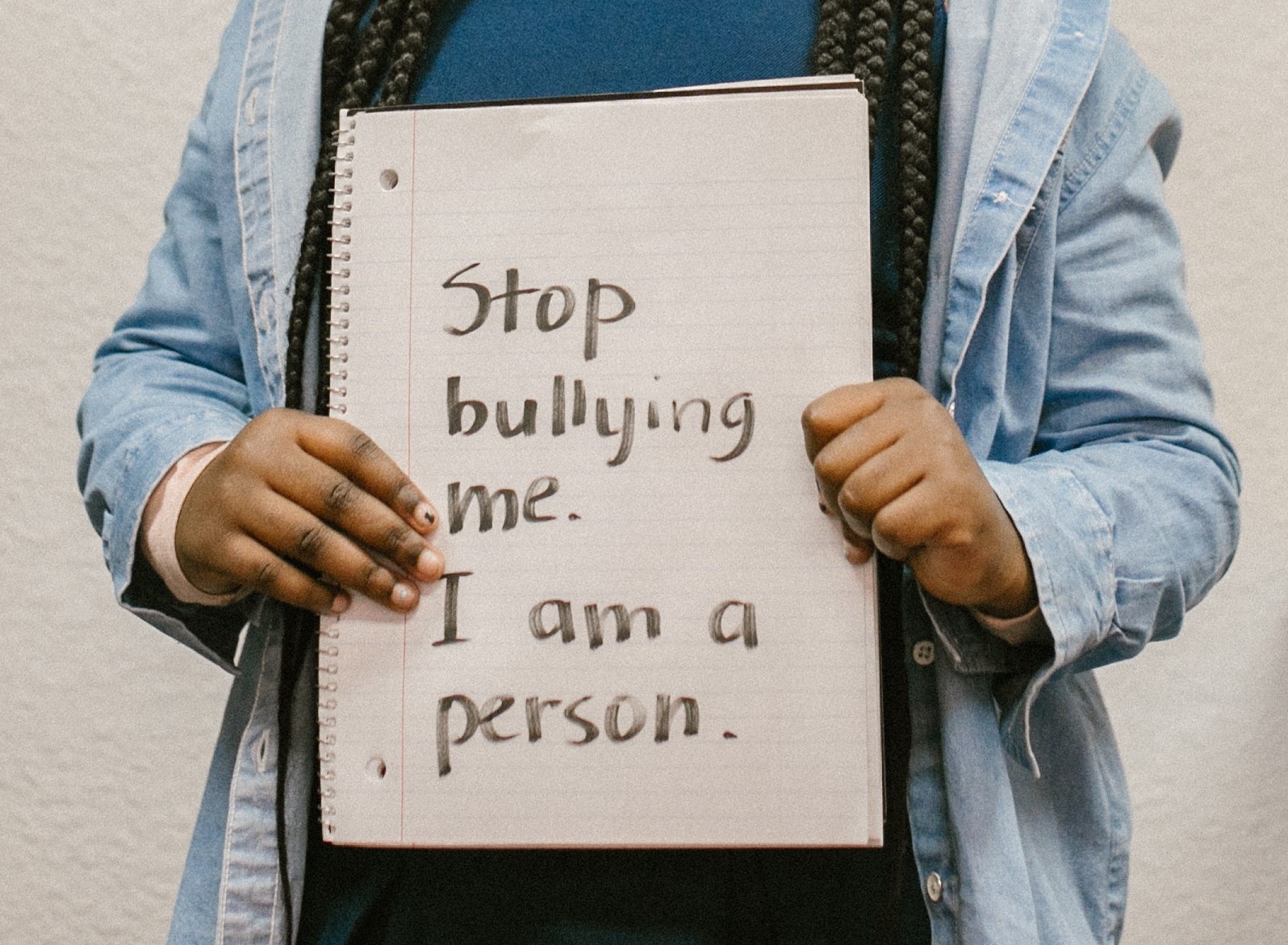
School Anti-Bullying Policy

First, Ensure that Your School’s Anti-Bullying Policy Specifies Protections for LGBTQ+ Students

It is vital to specifically designate anti-bullying protections for students based on their sexual orientation, gender identity, and gender expression.

Schools must first ensure that their anti-bullying policy enumerates protections based on sexual orientation, gender identity, and gender expression. Such enumerations clearly reduce the amount of LGBTQ+ bullying in a school (Sutherland, 2019).

Schools with specific LGBTQ+ protections in their anti-bullying policies see:

  • Fewer homophobic comments toward students;
  • Fewer instances of harassment and assault of LGBTQ+ students;
  • More staff intervention when LGBTQ+ bullying occurs (Swanson & Gettinger, 2016).

It’s Not Enough to *Have* a Policy – Effective Bullying Prevention Requires Training and Enforcement

To maximize the protections offered by an anti-bullying policy, students and staff alike must be informed of the specifics of the policy, and of the consequences of violations.

Staff must be educated on why the policy is essential to the safety and well-being of the LGBTQ+ student body. (See Staff Training page.)

Staff must also be trained on how to enforce the policy. Even faculty and staff who are allies often do not know how to intervene and enforce anti-bullying protections. In one survey, 55% of teachers did not know when or how to intervene in cases of bullying (Swanson & Gettinger, 2016).

Education and Counseling versus Punishment Alone

One important element of a school anti-bullying policy involves the response to bullying. Punishment alone is not the most effective deterrent. Schools should include counseling and training for the perpetrators and the victims, to help address some of the underlying causes of bullying, and to help mitigate the damage bullying can do to individuals (Stonefish & Lafreniere, 2015).

Some schools give students who are experiencing school-based harassment a special sticker to put on the back of their school id/badge. The sticker serves as a pass which they can use to go directly to the counselor’s office as needed, no questions asked. This allows them to avoid potentially confrontational situations in the halls or a classroom when they are not in an emotional state to clearly articulate their situation to a faculty or staff member.


References

Sutherland, D. K. (2019). The push for transgender inclusion: Exploring boundary spanning in the gay-straight alliance. Sociology Compass, 13:e12739. doi:10.1111/soc4.12739

Stonefish, T. & Lafreniere, K. D. (2015). Embracing diversity: The dual role of gay-straight alliances. Canadian Journal of Education, 38(4). https://files.eric.ed.gov/fulltext/EJ1086834.pdf

Swanson, K., & Gettinger, M. (2016). Teachers’ knowledge, attitudes, and supportive behaviors toward LGBT students: Relationship to gay-straight alliances, antibullying policy, and teacher training. Journal of LGBT Youth, 13(4):326-351. doi:10.1080/19361653.2016.1185765

Staff-Wide Training Guide

The Summary: Why to Train Teachers, Administration, and Staff on LGBTQ+ Issues

One important action school administrators can take on the path to making their schools more accepting of LGBTQ+ diversity is the training of teachers, staff, and even themselves!


WHY train about LGBTQ+-related issues?

Because training teachers and staff on those issues is one of the cornerstone ways to reduce bullying and create an accepting school climate, which benefits the ENTIRE student body.

Summary: Important Training Topics

  • The experience of being LGBTQ+ in school and society, and the protective role supportive adults fill.
  • Specific ways faculty and staff can support their LGBTQ+ students every day.
  • How heteronormative/cis-normative environments negate LGBTQ+ individuals and reinforce anti-LGBTQ+ norms, and what the school can do to change that.
  • The details of the anti-bullying policy, with clear training on how to enforce that policy.
  • Perhaps most important is to let faculty and staff know that every one of them is in a position to make a positive difference in the lives of their students!

Tips for Successful Training

Do a needs-assessment for your school, if possible. Talk with students, faculty, and staff – what will best improve your school environment? If you do not have the resources for a school-specific needs-assessment, look at the available research to see where the need lies. GLSEN updates its school climate survey every 2 years. The Trevor Project releases a national survey of LGBTQ youth mental health.

Have educators train educators, which can be more effective than hiring off-site consultants (Mayberry, 2012)

Use research-based content, as specific to the school in question as possible (Mayberry, 2012)

Partner with university educators in schools of education, social work, mental health, and pediatrics in creating and providing the training (Mayberry, 2012)

Additionally if the school has a GSA, the GSA advisor(s) and members can be enlisted to train the faculty and staff on LGBTQ+ issues. That empowers the students while putting known faces to the issues LGBTQ+ students face at school (Mayberry, 2012)


The Details: Why Training is Effective

Why Training is Vital: The School Environment

The school environment reinforces heteronormativity on many levels, often without overt intent. The intrinsic nature of much of society negates LGBTQ+ people on a daily basis. The message sent to LGBTQ+ people is often that their identities are lesser, or not valid (Sinclair & Reece, 2016). Examples of heteronormativity include: anything divided by gender, to which students are either assigned, or must choose, a gender – bathrooms, locker rooms, etc.; curriculum that does not discuss the history or contributions of LGBTQ+ people, and does not cover the fight for LGBTQ+ rights; messaging about gender expectations in such things are prom king or queen, dress codes by gender, and permitted dates to events (Elliott, 2016).

The common messaging is that sexuality and gender are natural, binary, and fixed, which stigmatizes students whose sexuality and gender does not fall under traditional expectation (Elliott, 2016). Administration, faculty, and staff should also be trained on examining their behavior, in order to understand the ways that they inadvertently or intentionally reinforce an anti-LGBTQ+ climate at school (Stonefish & Lafreniere, 2015). 

Teachers and administrators alike benefit from training that educates about hostility within the school environment, and the harassment, bullying, and threatening behavior faced by LGBTQ+ students (Swanson & Gettinger, 2016). Training should make sure to cover students who are marginalized because of their gender expression. Gender non-conforming students are the most likely group to experience harassment, regardless of their sexual identity or gender identity (Elliott, 2016). Training on these issues makes faculty, staff, and administration more aware of student interactions and more responsive when interference is needed (Swanson & Gettinger, 2016). In fact, studies have found that principals are often unaware of the bullying occurring in their schools (Sinclair & Reece, 2016). When asked to rate school safety, administrators consider their schools far more safe that the students do (Sinclair & Reece, 2016).

Train School Staff about What LGBTQ+ Students Experience at School

Faculty, staff, and administration need to be educated on what it means to be LGBTQ+ in school. This training can be through local LGBTQ+ community speakers discussing the specific needs of LGBTQ+ students, or through YouTube videos or podcasts. Whatever the format, it is important that all school employees understand what LGBTQ+ students experience and endure (Underhill, 2017). The faculty and staff training with the greatest impact focuses on education about the discrimination and victimization LGBTQ+ adolescents experience (Swanson & Gettinger, 2016).

Train Teachers (and Staff and Administrators) on What They can do to Support Their LGBTQ+ Students

Look at the page on Actions Allies can Take to see a more comprehensive list of actions teachers can take to support LGBTQ+ students. Awareness of heteronormative practices is the first step in stopping those practices. Active anti-bullying intervention is vital. Including LGBTQ+ individuals and their experiences and contributions in classroom curriculum acknowledges and empowers LGBTQ+ students. Daily actions that demonstrate support include attending/supporting GSA activities, displaying rainbows and other LGBTQ+ colors in one’s classroom/on one’s door, and stating your preferred pronouns while using your students’ preferred pronouns.

Training on How to Enforce the School Anti-Bullying Policy

Most teachers understand the importance of being supportive of their LGBTQ+ students, but often do not follow up. Eighty-five percent (85%) of teachers said that lack of training in how to be supportive of their LGBTQ+ students was a barrier to providing that support (Swanson & Gettinger, 2016).

With training, teachers express more confidence in knowing how to intervene in negative interactions, and they intervene more frequently (Swanson & Gettinger, 2016). Teachers engage in supportive behaviors more frequently in schools with: active GSAs, enumerative anti-bullying policies; and LGBTQ+ specific training (Swanson & Gettinger, 2016). Training on enforcement of the school anti-bullying policy is one of the most impactful types of teacher training (Swanson & Gettinger, 2016).

Train Teachers on the Protective Role Supportive Teachers Provide

Teacher support was rated by LGBTQ+ students as the most important buffer from negativity, even ahead of parental or peer support (Swanson & Gettinger, 2016). Having a supportive teacher is one of the highest predictors of various positive outcomes for LGBTQ+ students.

Teacher engagement had the highest influence on student self-esteem, academic achievement, and attendance. LGBTQ+ students with supportive teachers completed more homework, were more involved in school, and were more likely to plan for college (Swanson & Gettinger, 2016).


References

Elliott, K. O. (2016). Queering student perspectives: Gender, sexuality and activism in school. Sex Education, 16(1):49-62. doi:10.1080/14681811.2015.1051178

Mayberry, M. (2012). Gay-straight alliances: Youth empowerment and working toward reducing stigma of LGBT youth. Humanity & Society, 37(1):35-54. doi:10.1177/0160597612454358

National survey on LGBTQ youth mental health 2021. (n.d.). The Trevor Project. https://www.thetrevorproject.org/survey-2021/

Sinclair J., & Reece, B. J. (2016). Gay-straight alliances in the battle for rights: A tipping point for progress over prohibition. Interchange, 47:109-120. doi:10.1007/s10780-015-9257-3

Stonefish, T. & Lafreniere, K. D. (2015). Embracing diversity: The dual role of gay-straight alliances. Canadian Journal of Education, 38(4). https://files.eric.ed.gov/fulltext/EJ1086834.pdf

Swanson, K., & Gettinger, M. (2016). Teachers’ knowledge, attitudes, and supportive behaviors toward LGBT students: Relationship to gay-straight alliances, antibullying policy, and teacher training. Journal of LGBT Youth, 13(4):326-351. doi:10.1080/19361653.2016.1185765

The 2019 national school climate survey. (n.d.). GLSEN. https://www.glsen.org/research/2019-national-school-climate-survey

Underhill, C. (2017). Navigating spaces: Moving along the (dis)enfranchisement spectrum through a high school GSA. Theory in Action, 10(4):89-99. doi:10.3798/tia.1937-0237.1728

LGBTQ+ Language Guide

“This list is the byproduct of years of writing online, and doing trainings in person, about gender and sexuality. It was written by a community of strangers — myself being but one of those strangers — via comments, Facebook messages, and emails. It has grown into a collaboration with Meg Bolger, my co-creator at TheSafeZoneProject.com and co-author of Unlocking the Magic of Facilitation. Our process has been to take piles and piles of input about a particular term, and to find a single thread that runs through it all. That’s the output: the thread that connects a patchwork of varied definitions for a particular term, the signal amidst the noise.
Our goal is to maintain a list that is a useful starting place for people to begin learning a new language of gender and sexuality. The list isn’t perfect, and it’s not immutable. Instead, we focus on the fidelity of the signal. Someone once commented on my blog that a good ally “is like a high end sound system, amplifying the voices of marginalized people without distorting them.” That’s our hope with this list. That it will amplify the voices of each individual person who uses these terms to define and describe themselves.”
– S. Killermann

LGBTQ+ preferred terminology is ever-evolving, so instead of trying to provide the most up-to-date terminology information here, I’ve linked to two websites which strive to update their language guides to keep up with the times.

Comprehensive* List of LGBTQ+ Vocabulary Definitions

LGBTQ and You – An Introductory Glossary of Terms and Usage


Please take the time to read the above two language guides.

They are short reads, and they will help you gain an understanding of some of the more frequently-used LGBTQ+ terminology.

Following is a brief summary of the extremely important concepts surrounding: sex/biological sex; gender Identity; gender expression; sexual orientation, and sexual preference, or behavior.


Never should the volume of this list be turned to high as to drown out the voice of someone in your life. Follow the overarching rules that are peppered throughout more closely than you adhere to the correctness of a particular definition. We never want you to hear someone define themselves, point to this book, and say “Nuh uh. You’re wrong. It says here that you’re…” And know that this list is always changing, sometimes in small ways, sometimes dramatically, to reflect the changing culture it represents.

S Killermann

NOTE: It is NOT okay to simply ask students directly what pronouns they prefer. It can put them on the spot and make them feel uncomfortable. Ways to show students that you are open to using their preferred pronouns include:

  • Introducing yourself with your pronouns (“I’m (name), she, her, hers.”)
  • Give all students a sheet to fill out that has the following: school record name; preferred name; where do you want that name used? (It might not be in class, for instance); preferred pronouns; one important thing I should know about you; one thing you struggle with; one awesome thing about you. This allows students to recognize that you are an ally, and choose to open up if they like.
  • The above sheet can be available in your classroom at all times, so that if students do not initially feel comfortable sharing with you, but choose to as time develops, they can discretely fill it out and give it to you.

Remember, each LGBTQ+ student will be in a different place on their journey. While some students may be very open and sure of their identity, others may wish theirs to be private, or they may simply be figuring themselves out as they go. Part of being an ally is being willing to meet your students where they are.

What’s in a Name?

The term GSA was originally used as an acronym for Gay-Straight Alliance. Over the years, as the LGB community expanded to become LGBTQ+ (and more!), debate has occured as to whether the name “Gay-Straight Alliance” fully captures all of the LGBTQ+ club member identities. This is an especially important debate as some LGBTQ+ members – especially transgender and gender-fluid students – are less likely to feel a sense of belonging in their GSA (Sutherland, 2019). Words matter!

In order to be as inclusive as possible, but keep the well-known GSA acronym, some clubs have changed what the letters represent. When naming your GSA, remember that language can reinforce – or hinder – a sense of belonging (Sutherland, 2019).

Some names that GSAs have adopted as alternatives to “Gay-Straight Alliance” include “Guiding Spectrum Alliance (Underhill, 2017)” and “Genders and Sexualities Alliance (10 Steps, n.d.).”


Sex / Biological Sex

Biological sex characteristics. Intersex is currently the preferred term for individuals who have some non-binary mix of biological sex characteristics.

Gender Identity

Gender Identity is the gender a person feels themself to be. This can be fluid for some individuals.

cis-gender: identifies with their biological sex at birth

transgender or trans: identifies as other than their biological sex at birth

queergender: identifies outside the norms of a binary gender system

Gender Expression

External display of gender, or “gender presentation.” Examples include: masculine; feminine; non-binary (NB); gender fluid; gender queer

Sexual Orientation

The type of sexual or romantic attraction one can feel for others. Different from sexual preference, which is physical.

Sexual Preference or Behavior

Type of physical sexual behavior one prefers.


References

10 steps for starting a GSA. (n.d.). GSA Network. https://gsanetwork.org/resources/10-steps-for-starting-a-gsa/

Killermann, S. (n.d.). Comprehensive* list of LGBTQ+ vocabulary definitions. It’s Pronounced Metrosexual. https://www.itspronouncedmetrosexual.com/2013/01/a-comprehensive-list-of-lgbtq-term-definitions/

Lock, A. (2019, June 11). LGBTQ and you – An introductory glossary of terms and usage. Pacific Northwest Conference of the United Methodist Church. https://www.pnwumc.org/news/lgbtq-and-you/

Sutherland, D. K. (2019). The push for transgender inclusion: Exploring boundary spanning in the gay-straight alliance. Sociology Compass, 13:e12739. doi:10.1111/soc4.12739

Underhill, C. (2017). Navigating spaces: Moving along the (dis)enfranchisement spectrum through a high school GSA. Theory in Action, 10(4):89-99. doi:10.3798/tia.1937-0237.1728

Proposal Letters and Mission Statements

GSA Proposal Letters


The page on Proposal Letters gives you ideas how to write your GSA proposal, and directs you to resources on the site that will help you demonstrate why a GSA would be good for your students and your school as a whole.

Mission Statements


The page on Mission Statements has some sample mission statements to peruse, so that you can pick and choose the elements that best fit the ideology and goals of your school’s GSA.